
How to remove fungus and mold on walls: CPC tips.
28.09.2024
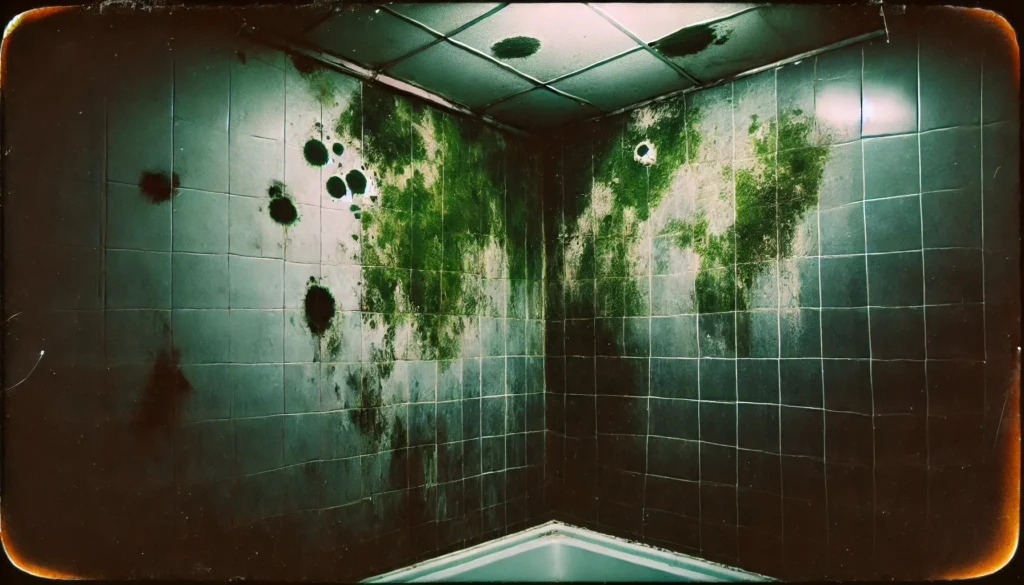
In this article, we will explain the causes of mold and fungus, the dangers they represent, and how to fight them. You will learn about anti-mold and fungus remedies from CPC, including FORTIS PL, FORTIS, XTREME KITCHEN and XTREME MIX. We will share a step-by-step guide and prevention tips.
Don’t let mold and fungus destroy your home. Arm yourself with knowledge and CPC products. Let’s start the journey to a clean and healthy home!
Causes of mold and fungus on walls
Mold and fungus on walls are not only a cosmetic issue but also a serious health threat. To effectively fight this problem, it is essential to know the causes of its occurrence. Let’s consider the main factors that contribute to the growth of mold and fungus in your home.
Humidity and lack of ventilation as key factors
Increased humidity and insufficient ventilation are the key reasons for mold on walls. Damp walls create ideal conditions for the reproduction of fungus spores. Spores actively grow when moisture levels range from 11% to 92%. Humidity above 60% is particularly dangerous, contributing to mold growth and the reproduction of bacteria and viruses.
Poorly organized heating and excess moisture can lead to condensation, which creates ideal conditions for mold, especially during the cold season. Mold often appears in the corners of rooms, behind furniture, and at various levels of the walls.
To prevent mold growth, you need to control moisture levels. Ensuring good ventilation is also important. Installing exhaust fans with backflow prevention valves and air vents will help remove excess moisture.
Poor-quality building and finishing materials
Using poor-quality materials can also lead to mold and fungus. Materials affected by mold or with high thermal conductivity promote the spread of spores, creating favorable conditions for their growth.
Statistics show that owners of old houses are more likely to face mold problems. This is due to poor insulation of panel seams and the use of low-performance materials. Poor exterior insulation and inadequate ventilation are also common causes of fungus.
Data indicates that poorly arranged furniture that blocks the natural flow of air can be a factor in mold growth on walls.
To minimize the risk of mold and fungus, it’s important to choose high-quality materials. Proper insulation and ventilation of rooms are also essential. Well-placed furniture to optimize air circulation will help prevent mold.
The danger of mold and fungus to human health
Mold and fungus indoors pose a serious threat to human health. These microorganisms release spores and toxins into the air. When inhaled, they can cause health problems, especially for people with weakened immune systems, allergies, and respiratory diseases.
Mold spores spread easily through the air. They can enter the respiratory tract, causing irritation, inflammation, and poisoning. Mold is especially harmful in high-humidity areas like bathrooms, kitchens, and basements.
Allergic reactions and respiratory diseases
One of the most common consequences of mold exposure is mold allergy. Symptoms include a runny nose, sneezing, itching, and redness of the eyes and skin, coughing, and shortness of breath. For people with asthma or other lung conditions, contact with mold can trigger flare-ups and worsen their condition.
Studies show that children exposed to mold at home from an early age have an increased risk of developing asthma later in life. Mold can cause bronchial asthma and bronchopulmonary aspergillosis.
Risk to people with weakened immune systems
People with weakened immune systems, such as those living with HIV, undergoing chemotherapy, or having had organ transplants, are particularly vulnerable to the harmful effects of mold. They are more likely to develop fungal infections and other serious complications.
At-risk groups also include infants, the elderly, and pregnant women. Long-term poisoning by mold mycotoxins can lead to kidney problems, urinary system diseases, infertility, and even stimulate the growth of cancer cells.
Mold and fungus can cause serious harm to health. That’s why it’s so important to maintain a healthy indoor environment, regularly perform preventive measures, and take immediate action at the first signs of mold.
Products for removing mold and fungus from walls
There are many specialized products for combating mold and fungus on walls. Using these products allows you to quickly and effectively resolve the problem. Properly selected products will help you deal with mold.
Chemical products: chlorine-based, fungicides, antiseptics
Chemical products against mold contain active ingredients such as sodium hypochlorite, hydrogen peroxide, and quaternary ammonium compounds. They effectively fight fungi and prevent their recurrence.
- Chlorine bleach diluted in a 1:10 ratio with water is effective against mold. However, you must use a respirator and protective gloves when handling it. Keep in mind that chlorine in household chemicals is dangerous. Read more about this in our article “10 Facts About the Harm of Chlorine in Household Chemicals“.
- Fungicides help eliminate fungus and prevent its recurrence.
- Universal antiseptics are effective against various types of mold and can be used on different surfaces.
- Antiseptic primer is a proven solution against mold on walls.
Home remedies: baking soda, vinegar, tea tree oil
Home remedies can also help combat mold on walls. However, they are less effective and require more time and effort compared to chemical products.
- A solution of baking soda, laundry detergent, and water is effective at removing mold from walls.
- A vinegar solution may require repeating the process several times with a 7-10 day interval to fully remove the mold.
- A 3% hydrogen peroxide solution is effective for removing recently developed mold.
- Tea tree oil is effective in the early stages of mold development.
- Lemon acid and a 10% ammonia solution from the pharmacy can also help combat fungus.
Successfully removing mold from walls may require both special products and home remedies. Choose the appropriate method based on the extent of surface damage and your preferences.
Surface preparation before treatment
Before starting to fight mold and fungus, it is important to thoroughly prepare the walls. Cleaning mold off surfaces is a critical step. Begin by removing traces of fungus, dust, and dirt using stiff brushes, sponges, or scrapers.
If the plaster or putty is loose, it should be completely removed, leaving only strong layers. In the case of deep fungal contamination, you may need to remove wallpaper, paint, or whitewash. Thorough surface preparation ensures the effectiveness of antifungal agents.
Proper surface preparation is key to successfully removing fungus and preventing its recurrence.
After mechanical cleaning, treat the surface with an antiseptic. Let it dry completely. This will create unfavorable conditions for mold and protect the walls from recontamination.
Pay attention to the following points when preparing the surface:
- Use personal protective equipment (gloves, respirator, goggles) during mold cleaning.
- Ensure good ventilation in the room where surface treatment is being carried out.
- Remove all objects and furniture that may block access to the affected areas.
- If necessary, dismantle baseboards, sockets, and other decorative elements for more thorough surface treatment.
Remember that proper surface preparation before disinfection is a key factor in fighting fungus and mold. Give this step proper attention, and your walls will remain clean and healthy for a long time.
Recommendations for using CPC products
The Ukrainian manufacturer Clear Planet Company (CPC) offers a wide range of
products for combating mold and fungus. These products are effective and safe for various surfaces. Choosing the right product and following the instructions will ensure successful treatment and protection for your home.
FORTIS PL – product for cleaning plastic from mold and dirt
FORTIS PL effectively removes mold and dirt from plastic. It prevents the recurrence of fungus. Apply to the surface to be cleaned and leave for a few minutes. For tough stains, apply and leave on the surface for 10 minutes. If necessary, use a brush. Rinse with water.
Consumption: depending on the severity of the stain – 500 ml per 4-8 sq.m.[kapee_products_grid_carousel product_style=”product-style-1″ data_source=”products” limit=”1″ show_view_more_button=”” rows=”1″ slider_autoplay=”” slider_loop=”” slider_center=”1″ slider_nav=”” slider_dots=”1″ rs_extra_large=”1″ rs_large=”1″ rs_medium=”1″ rs_small=”1″ rs_extra_small=”1″ product_ids=”1666″]
FORTIS – product for removing mold for outdoor work
For outdoor work, such as on stone or concrete, use FORTIS. It penetrates deep into the material, destroying fungus. Remove dirt from the surface beforehand. Apply Fortis for 10 minutes. Clean with a brush, sponge, and rinse with water. For large accumulations, reapply the product for 8 hours or leave it overnight. To prevent mold and fungus growth, treat the surface and do not rinse.
Consumption: depending on the severity of the stain – 1 liter per 4-8 sq.m.[kapee_products_grid_carousel product_style=”product-style-1″ data_source=”products” limit=”10″ show_view_more_button=”1″ rows=”1″ slider_autoplay=”1″ slider_loop=”1″ slider_center=”1″ slider_nav=”1″ slider_dots=”1″ rs_extra_large=”2″ rs_large=”2″ rs_medium=”1″ rs_small=”1″ rs_extra_small=”1″ product_ids=”1683, 1657, 1688, 1692″]
XTREME KITCHEN for odor removal and disinfection in the kitchen
The kitchen is often subject to unpleasant odors and bacteria. XTREME KITCHEN quickly and effectively solves this problem. Spray it on the surface and leave it to dry completely. For old stains (especially on soft furniture), reapply to the surface for 24 hours without rinsing. When cleaning food storage areas, remove the food beforehand.[kapee_products_grid_carousel product_style=”product-style-1″ data_source=”products” limit=”1″ show_view_more_button=”” rows=”1″ slider_autoplay=”” slider_loop=”” slider_center=”1″ slider_nav=”” slider_dots=”1″ rs_extra_large=”1″ rs_large=”1″ rs_medium=”1″ rs_small=”1″ rs_extra_small=”1″ product_ids=”1665″]
XTREME MIX – for removing mold and fungus in bathrooms, apartments, basements
XTREME MIX effectively fights mold in different areas. Remove dirt from the surface and degrease it. Thoroughly treat the surface with the spray for 10 minutes. For tough stains, apply the product for 24 hours. Then wash off with a brush or sponge. For prevention, apply the product to the surface and leave it to dry.[kapee_products_grid_carousel product_style=”product-style-1″ data_source=”products” limit=”1″ show_view_more_button=”” rows=”1″ slider_autoplay=”” slider_loop=”” slider_center=”1″ slider_nav=”” slider_dots=”1″ rs_extra_large=”1″ rs_large=”1″ rs_medium=”1″ rs_small=”1″ rs_extra_small=”1″ product_ids=”1679″]All these products are made with vegetative bacteria and synthetic acids to improve penetration into the cleaned surface.
- Safe for all surfaces.
- Safe for human health.
- Hypoallergenic. Chlorine-free, no harmful fumes, and odorless.
- Meets US standards: USDA, NSF, Safer Choice, Green Circle.
Benefits of using environmentally safe CPC products
By choosing our safe anti-mold products, you can be confident that they will not only effectively solve the problem. They will not harm your family’s health or the environment. Unlike many other brands, CPC’s eco-friendly household chemicals do not contain aggressive chemicals, heavy metals, chlorine, or phosphates.
The secret to CPC products’ effectiveness lies in their unique formula, based on vegetative bacteria with the addition of synthetic acid, which replaces aggressive acids and chlorine. This allows for the quick and reliable removal of mold and fungus on various surfaces. You won’t have to worry about the health of children or pets.
In addition to safety, CPC products have another important advantage – they do not have the strong unpleasant odors characteristic of many other antiseptics. This makes their use as comfortable and convenient as possible. They allow you to quickly restore your home to cleanliness and freshness without compromising your health.
By choosing CPC household chemicals, you are taking care not only of your health but also of the environment. Our safe anti-mold products fully decompose into neutral components after use. They do not pollute soil or water.
Preventing mold and fungus
Preventing mold at home requires a comprehensive approach. To combat moisture, it is important to maintain an optimal indoor climate. This will ensure the health of your home.
Maintaining normal humidity and temperature in the room
Humidity control is a key factor in fighting mold. Indoor humidity should be between 40-60%. When this level is exceeded, fungus begins to grow actively.
To maintain humidity, air dehumidifiers are used. They are especially useful in bathrooms and basements. Don’t forget about temperature – avoid sharp fluctuations and freezing walls.
Regular ventilation and good ventilation systems
Good ventilation is an important step in combating moisture. Regular ventilation helps remove excess moisture and ensures air circulation.
Particular attention should be paid to ventilation in the kitchen and bathroom. Exhaust fans during cooking and after showers will help remove humid air. This will prevent condensation formation.
Timely repair of leaks and other sources of moisture
Roof leaks and plumbing problems can lead to mold. It is important to identify and fix moisture issues promptly.
Regularly check your roof, windows, and doors. Don’t delay pipe and plumbing repairs. Foundation and footing waterproofing are also essential.
By following these recommendations, you will create a healthy microclimate in your home. This will protect you from mold and fungus. Remember: prevention is always better than dealing with the consequences!